
Preservation vs. Restoration: Decoding Your Chevelle’s Original VIN & Trim Tags
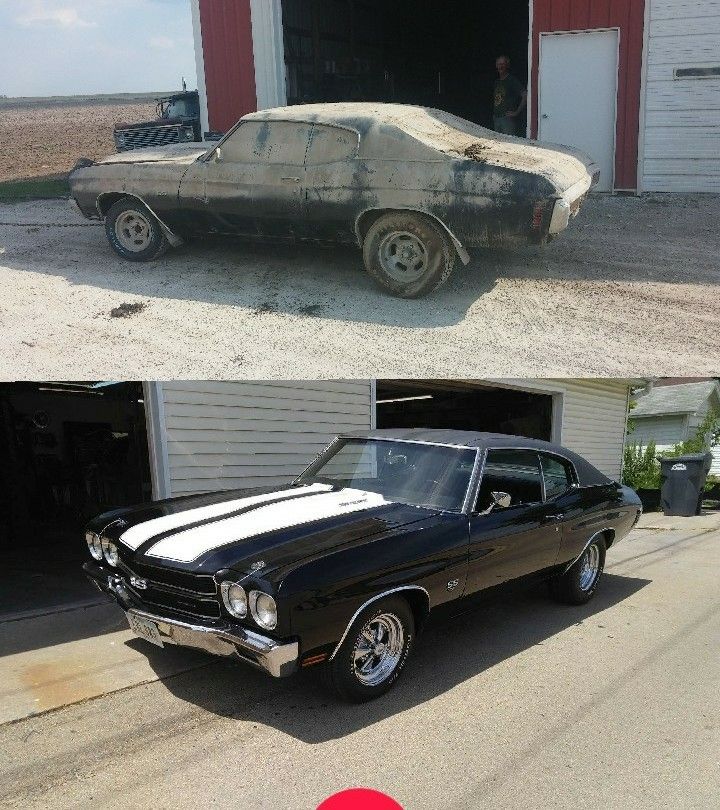
Every classic Chevelle or El Camino has a story to tell, but much of that history is hidden in plain sight within the factory-stamped codes. Understanding these identifiers is the first step in deciding whether to pursue a factory-original preservation or a full-scale restoration. This guide breaks down how to find and read the most important data points on your A-body Chevrolet.
Understanding the VIN (Vehicle Identification Number)
The VIN plate is your car's primary legal identity and provides the baseline for its production history. For most 1964–1972 models, you will find this plate attached to the driver’s side door pillar or visible through the lower corner of the windshield.
- First Digit: Identifies the Chevrolet Division (typically '1' for Chevy).
- Second and Third Digits: These signify the series—such as '36' for a Malibu or '38' for a Super Sport—which is crucial for verifying a true SS model.
- Fourth and Fifth Digits: Indicate the body style, such as a 2-door hardtop, convertible, or sedan.
- Sixth Digit: Tells you the model year (e.g., '9' for 1969 or '0' for 1970).
- Seventh Digit: Identifies the assembly plant where the car was built (e.g., 'A' for Atlanta or 'L' for Van Nuys).
Decoding the Cowl Trim Tag
Located on the firewall, the trim tag (or cowl tag) provides the "recipe" used at the factory to assemble your specific car. While the VIN tells you what the car is, the trim tag tells you how it looked when it rolled off the line.
- Style Code: Confirms the model year and body style.
- Paint Code: Indicates the original exterior color, such as '72' for Hugger Orange or '51' for Daytona Yellow.
- Trim Code: Specifies the original interior color and material (e.g., '755' for Black Bucket Seats).
- Build Date: A three- or four-character code indicating the month and week the car was built (e.g., '05B' for the second week of May).
Preservation vs. Restoration: Making the Call
Once you have decoded your tags, you have a critical choice to make regarding the future of your vehicle.
- Preservation: If your tags reveal a rare color combination or highly sought-after factory options, preserving the original components may significantly increase the car's historical value.
- Restoration: If the car has been heavily modified or "numbers-matching" is no longer possible, a full restoration allows you to build the Chevelle of your dreams while still honoring the spirit of the original design.
The Importance of Documentation
Beyond the metal tags, original documentation like the Build Sheet or the Protect-O-Plate can provide the ultimate proof of a car's heritage. These documents are often found tucked under the rear seat springs or on top of the fuel tank during a teardown.
Conclusion
Deciphering your Chevelle’s factory codes is an essential skill for any serious enthusiast. Whether you are hunting for a rare survivor or planning a ground-up build, starting with the facts ensures your investment is protected and your car’s legacy is preserved. If you need help verifying your tags, bring your car to our next technical session where our club experts can help you spot factory-correct details.
Frequently Asked Questions
Join our SMS List!
Sign up to receive promotional text messages about upcoming events, workshops, and exclusive member offers.