
Holley Carburetor Tuning: Getting the Perfect Mix for Your Big Block
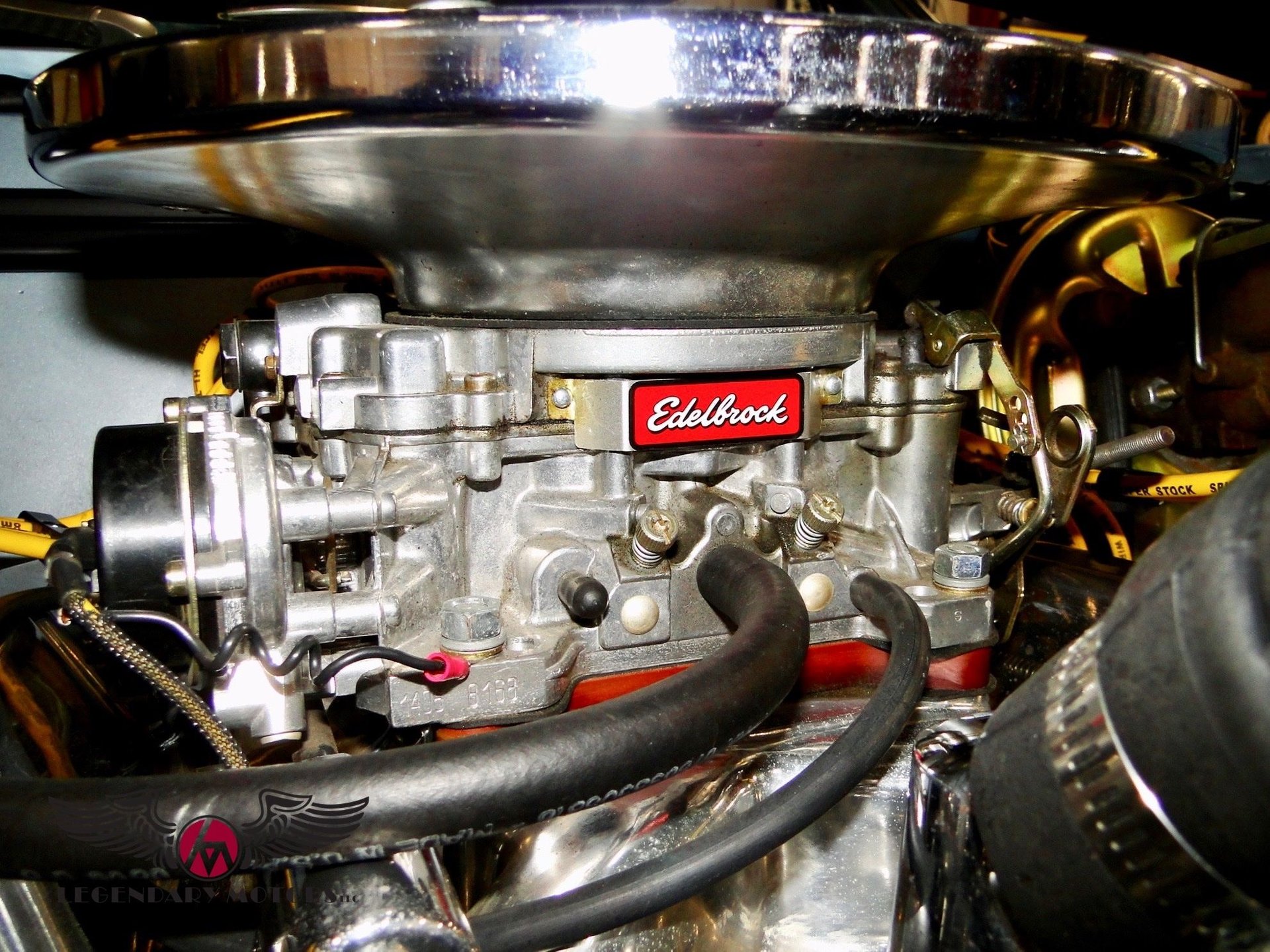
Tuning a high-performance Big Block Chevelle or El Camino in Southern California presents unique challenges. From the heat of the Inland Empire to the damp salt air of the PCH, your air-fuel ratio needs to be dialed in perfectly to ensure your 396, 427, or 454 stays responsive and reliable. This guide covers the essential steps for baseline tuning a classic Holley double-pumper.
Step 1: Setting Your Initial Idle Mixture
Before diving into the jets, you must ensure your idle circuit is balanced. This is the foundation of a "crisp" throttle response when pulling away from a stoplight.
- Warm the Engine: Always tune at operating temperature (approx. 180°C).
- Hook up a Vacuum Gauge: Connect your gauge to a manifold vacuum port.
- The "Highest Vacuum" Rule: Turn your idle mixture screws in until the RPM drops, then back them out slowly until you achieve the highest steady vacuum reading.
- Balance Both Sides: Ensure the driver and passenger side screws are adjusted to the same number of turns.
Step 2: Selecting the Right Main Jets
If your car stumbles or "pops" during hard acceleration on the 405, you likely have a jetting issue. For Big Blocks, we typically look for a slightly richer mixture to keep head temperatures down during summer cruises. If you notice black smoke at wide-open throttle, you are likely too rich. Decrease your jet size by two stages and retest. If the car hesitates under load, go up two sizes.
Step 3: Accelerator Pump Tuning
The "squirt" of fuel from the accelerator pump is what prevents that dreaded "bog" when you mash the pedal.
- Check the Linkage: Ensure there is zero "slop" in the pump arm; fuel should spray the instant the throttle moves.
- Change the Cam: Holley provides different colored plastic cams to change how quickly the fuel is delivered.
- Nozzle Size (Shooters): If the bog persists, increasing the "shooter" size will provide a larger initial shot of fuel to get those heavy pistons moving.
Summary Checklist for Members
- Check for vacuum leaks before adjusting the carb.
- Verify timing is set correctly (tuning a carb on bad timing is impossible).
- Use a fuel pressure regulator set to 5–7 PSI.
- Clean your air filter—a dirty filter will make your tuning inconsistent.
Conclusion
Tuning is as much an art as it is a science. If you’re struggling to get your El Camino to idle smoothly, bring it down to our next Technical Workshop at the clubhouse. We’ll have vacuum gauges and wideband O2 sensors on hand to help members get their Big Blocks running at peak performance.
Frequently Asked Questions
Join our SMS List!
Sign up to receive promotional text messages about upcoming events, workshops, and exclusive member offers.